


Santa Ana, El Salvador
Nomen Nescio
Your special-occasion coffee.
Cranberry, Floral candy, Sweet liqueur
120h macerated natural
Rodolfo Ruffatti · Finca El Salvador
Specialty Coffee Roastery — Amsterdam, MMXXVI
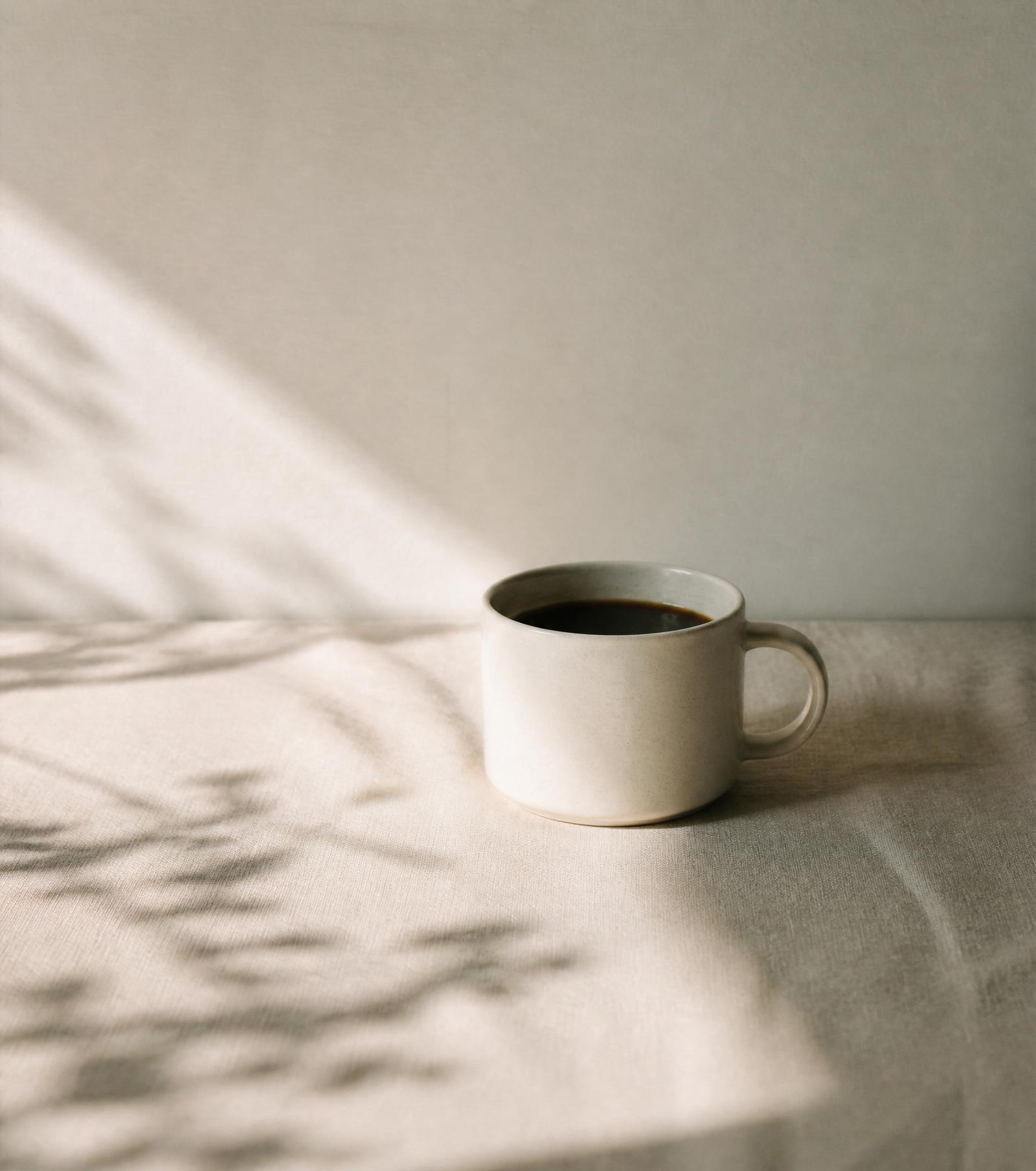
Each release runs until the last bag, with an original painting made in response to the cup.
Your special-occasion coffee.
Cranberry, Floral candy, Sweet liqueur
120h macerated natural
Rodolfo Ruffatti · Finca El Salvador


Your slow weekend coffee.
Candied citrus, Orange cake, Karkade
72h macerated natural
Rodolfo Ruffatti · Finca El Salvador


Your coffee for a long conversation.
Red currant, Dates, Rum
96h orange-juice co-fermented natural
Rodolfo Ruffatti · Finca El Salvador

Your everyday coffee.
Pecan, Roasted nuts, Citrus
Natural
Rodolfo Ruffatti · Finca El Salvador


Your morning wake-up call.
Roasted almonds, Toasted caramel, Toffee
48–72h anaerobic honey · red apple + lactobacillus · stainless-steel bioreactor
Shady Bayter · El Vergel Estate


Your after-dinner adventure.
Rum, Brown sugar, Nutmeg, Childhood nostalgia
Washed · 3-month rum-barrel finish
Carmenza Monsalve & Guillermo Álvarez · Finca Primavera


Your coffee for discovery.
Tropical fruit, Stone fruit, Floral
Natural · raised-bed dried
Angelo Sosa · Altocielo


Your evening ritual.
Milk chocolate, Cacao nibs, Honey, Caramel, Vanilla
Washed · sugarcane decaf
Josué Valencia · Finca Pachamama
One lot, unnamed until it lands
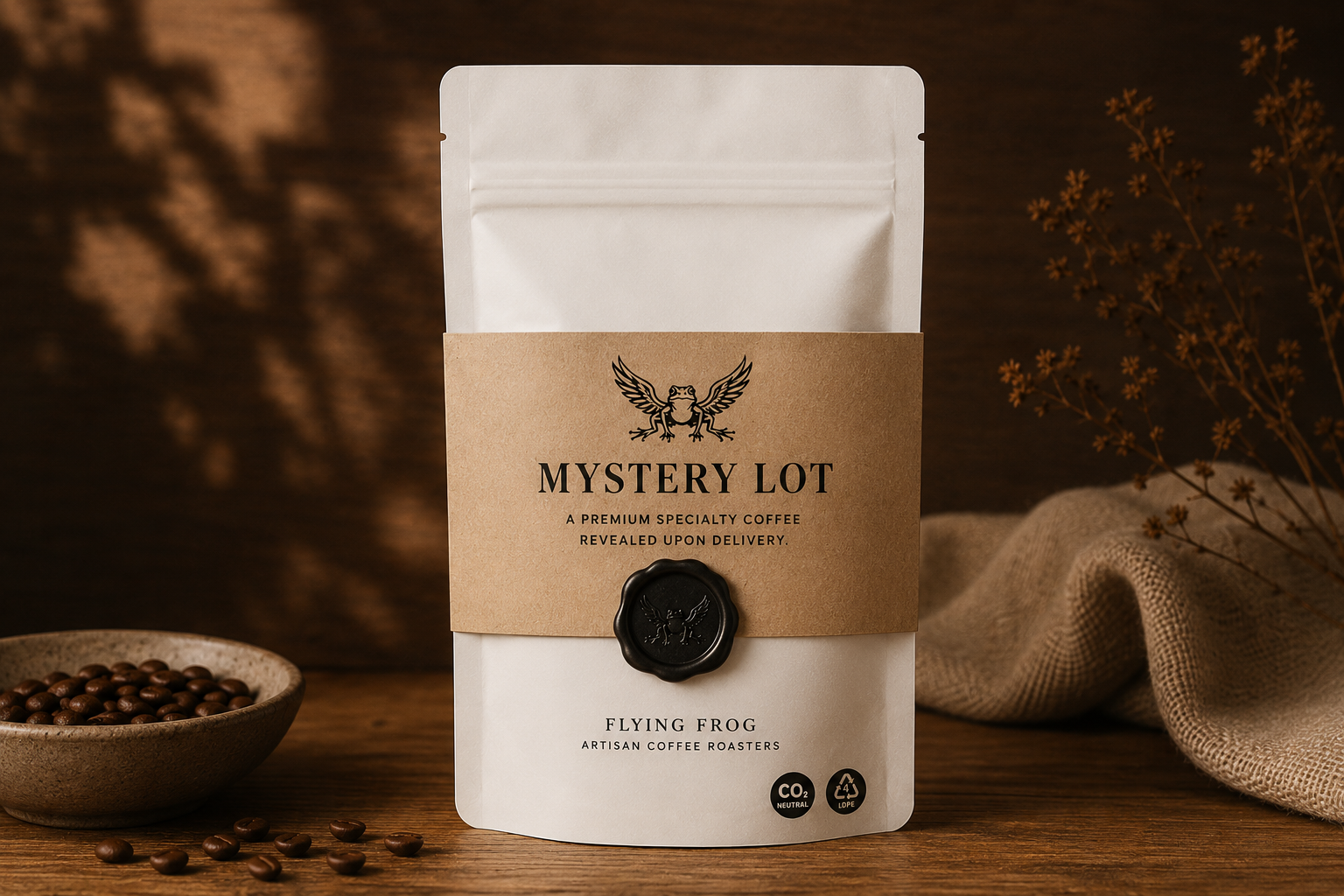
Unusual by choice
Rare varieties, co-ferments, thermal shock, sugarcane decaf. We buy the lots that make people ask what happened in the cup.
How the processes work →Electric roasting
Every batch is roasted light on electric machines running on 100% green energy — profiled for clarity rather than colour.
Inside the roastery →Sourcing you can check
Sourced directly from the farmer. Human made, human paid — small lots bought far above market rates.
See the sourcing →Farmer-first pricing
Human made, human paid.
We buy small lots directly from growers we know, paying far above market rates so transparent trade means true fairness. Each lot’s price is agreed with the producer, and our retail price is built from what that coffee cost at origin—not from a generic market tier.
How we sourceSelect a coffee to see its growing country lift out of the coffee belt, and the route it travels to our roastery in Amsterdam.
Read Nomen Nescio


Painted by Nata Orlo in answer to the coffee inside — human made, human paid. The paintings are real, and they can hang on your wall.
Beyond the beans
Learn to brew them with confidence through our hands-on workshops, tastings and private sessions in Amsterdam.
Explore trainingOne continuous read: why we roast the way we do, the growers we buy from, and the original artwork on every bag.
Read our storySupply, education, private cuppings and consultation for cafés, restaurants, offices and hotels.
A quiet definition of the term that separates a traceable, scored lot from everything else on the shelf.
Every burnt cake tastes the same. That single idea explains more about roast level than any chart we could draw.
Green coffee ages in the warehouse. Every bag you order makes room for the next harvest — and that decision reaches the farm faster than anything we can do alone.
What to do with the grounds after the cup — from the compost heap to distilling alcohol out of them.
Receive occasional updates about new coffees, Mystery Toads, producer stories, brewing inspiration, events and behind-the-scenes from the roastery.
We only write when there's something worth sharing. No discounts. No countdowns. No aggressive marketing.
By subscribing you agree to receive occasional emails from Flying Frog Coffee. You can unsubscribe at any time.